All Categories
Featured
Table of Contents
Making sure accessible, economical, and sustainable facilities services is essential in eliminating hardship and building shared prosperity. Many governments encounter troubles in delivering these services to their people, primarily due to governance problems rather than monetary restraints.
The framework offers an overview of the governance that leads to quality facilities and provides resources and methods for conducting such an assessment. Broadly speaking, the InfraGov framework examines three significant locations of infrastructure governance: The very first location relates to the lifecycle of an infrastructure project, focusing on choice, style, procurement, and application of financial investment tasks.
The 3rd location worries the methods in which infrastructure services are supplied to consumers. It incorporates market structure and competition, the regulative framework for resolving natural monopoly activities, and corporate governance and governance arrangements around State Owned Enterprises. The importance of these broad locations and measurements may vary depending on the specific governance plans in place for different sectors in various countries.
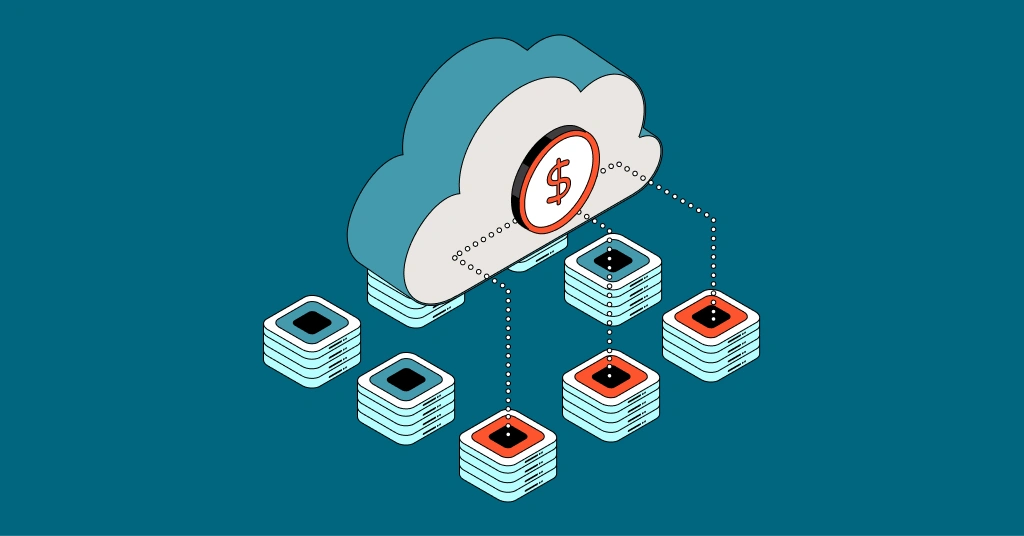
Comparing Centralized Cloud Governance Strategies for 2026
They are not intended to recommend particular systems or organizations; rather they highlight behaviors most likely to deliver good facilities results, acknowledging that there are various ways to stimulate these behaviors. The aim is to provide problem-driven actionable recommendations that result in concrete policy modifications. Last Updated: Dec 07, 2023.
When an energy grid changes, a water authority loses pressure, or a healthcare facility network goes dark, the effect doesn't stop at the firewall. It bypasses the IT department and heads directly into the living-room, kitchen areas, and emergency wards of our communities. In Important Facilities (CI), a digital failure is never ever just an information point; it's a public security occasion.
Auditing Cloud Expenditure Allocation FrameworksIf your governance design was constructed for a world where risk was separated and internal, you aren't just behind, you're exposed. 3 structural shifts have actually turned once-isolated Operational Technology (OT) into a community-wide direct exposure: The Merging Trap: Legacy systems were bolted onto modern networks for performance, however they weren't developed to hold up against relentless threats.
Auditing Cloud Expenditure Allocation FrameworksAdvanced Systems for Optimizing Cloud Spend in 2026
Known vulnerabilities can stay open for months or years. The Shift from Information to Disturbance: Modern enemies aren't just after credit card numbers; they target Operational Strength. Disrupting services is far more destructive, noticeable, and brand-impacting. Frameworks like NERC CIP, NIST CSF, and ISA/IEC 62443 remain vital. But these are "rear-view mirror" toolsthey inform you where you were, not where you are right now.
As AI-driven attack tools make the risk landscape more volatile, the space in between being certified and being durable is expanding. Real management means understanding your threat posture at 2:00 PM on a Tuesday, not just throughout a yearly evaluation.
This suggests keeping a live, automatic possession stock and using keeping track of tool's function built for industrial protocols, not just repurposed IT software. When your operations, legal, and security groups share the very same source of reality, you move from reacting to managing.
Effective 2026 Budget Planning Techniques
If your supplier's governance includes a one-time survey signed 3 years back, you have a blind area the size of your whole network. Real strength needs a living understanding of who has gain access to, what opportunities they hold, and how their security moves effect your stability. Your community isn't surrounding to your danger; it is a basic part of it.
We are getting in a period defined by systemic threat and increasing regulative pressure for openness. The leaders who will flourish aren't necessarily the ones with the biggest budget plans, but the ones who recognize that digital governance is now a pillar of public trust.
It's a financial investment in the stability of the neighborhood you serve. That is the new requirement of facilities management. By syncing security data with functional uptime requirements, organizations can change risk from a concealed liability into a handled property. Usage constant governance to proactively handle supplier vulnerabilities and develop the organizational muscle memory needed to face emerging threats head-on.

Latest Posts
Leveraging Performance Metrics to Boost Cloud ROI
Analyzing IT Performance Through Advanced Governance Frameworks
Maximizing IT Performance Through Strategic Planning