All Categories
Featured
Table of Contents
A strong MSP like PennComp serves as: A virtual CIOCybersecurity threat advisorAn IT roadmap plannerThey help turn disorderly spending into a foreseeable, strategic model. Here's a normal breakdown for a 20200 worker company:35% Cybersecurity & threat reduction25% Cloud services & SaaS applications15% Hardware refreshes10% Backup & connection solutions10% IT support/managed services5% Training, compliance, and AI adoptionThis isn't a rigid formula, however it's a realistic benchmark many services follow.
Align IT with organization objectives for next 5 years. Get expert input before dedicating to large expenses. Preparation early avoids last-minute buying, rushed decisions, and needless downtime. This is the precise process, from facilities audit to expert assistance, our Houston's IT Assistance team is handling routinely, providing you clarity on what's dated, vulnerable, or costing more than it should.
Intentional IT budgeting provides you: Foreseeable month-to-month costsStrong cybersecurity foundationLower downtimeEfficient cloud usageSmart AI adoptionBetter staff member outputClear growth-ready infrastructureIf you want your organization IT budget plan to stay stable instead of unpredictable, build a smarter budget plan now, not when problems strike. Need assistance constructing a clear, future-proof IT budget plan?.
Comparing Different Cost Management SystemsPlanning an IT spending plan has actually always been a challenge for small and medium-sized company owner. On one hand, underinvestment can result in system downtime and security vulnerabilities. On the other, extreme costs consumes into earnings. In 2026, the technological landscape continues to develop. Expert system, the shift to the cloud, and growing cyber risks dictate new guidelines.
According to international research studies and our experience dealing with companies, the average IT spend is in between of overall revenue. Nevertheless, this figure depends heavily on the market: 7-10% (due to high security and innovation requirements) 5-8% (safeguarding individual information, electronic systems) 4-6% 2-5% To stabilize your spending plan, it should be divided into a number of crucial classifications: Servers, computers, networking devices.
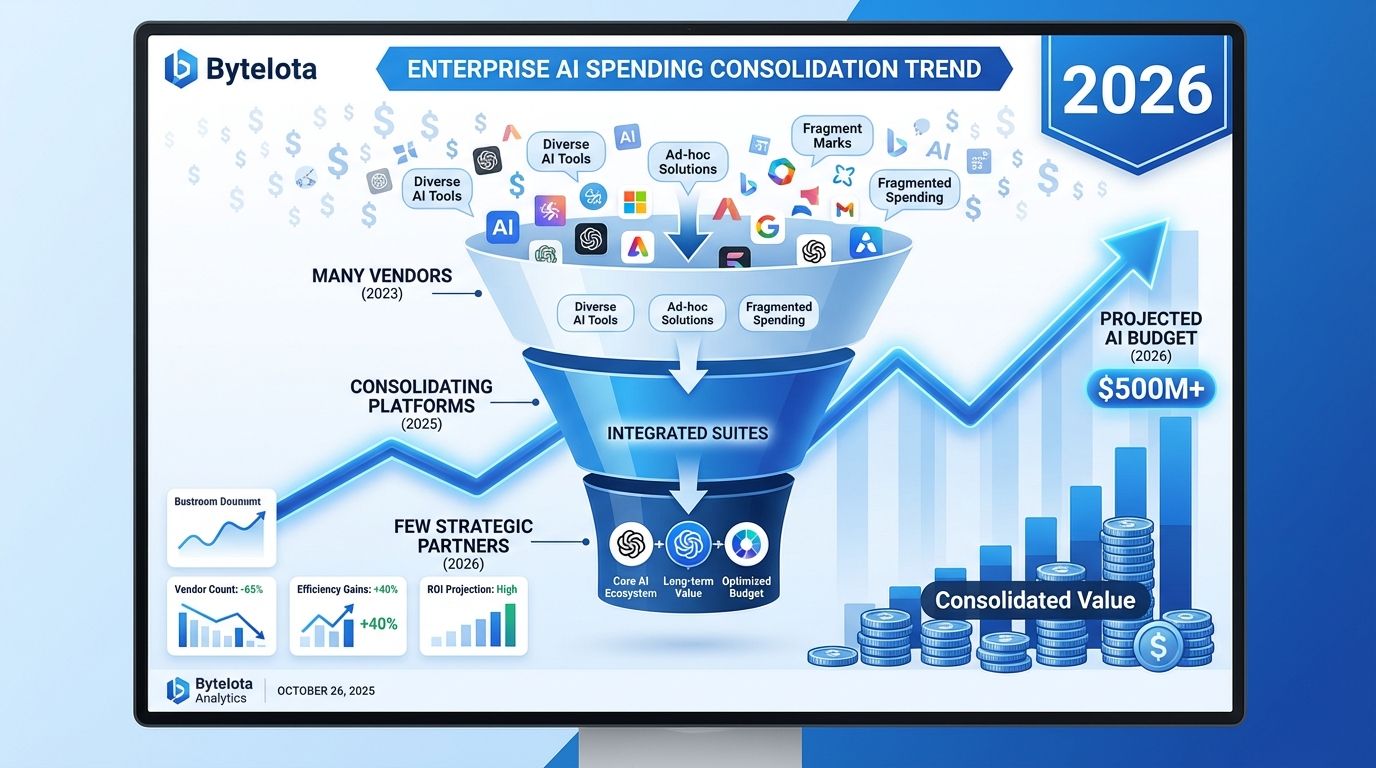
Analyzing IT Performance Through Modern Governance Frameworks
ERP systems, CRM, workplace suites, specialized software application. This share is growing due to the shift to the membership design (SaaS). Antiviruses, backup systems, staff training. In the 2026 landscape, this is an important classification where you can not cut corners. Wages of in-house sysadmins or paying for IT contracting out services. Companies often try to minimize IT support, ignoring the prospective losses from system downtime.
Comparing Different Cost Management SystemsCorrect preparation will assist prevent unpredictable costs and make sure the smooth operation of the business. Required help enhancing your IT budget? Contact IT-Premium for professional consulting. We will help you construct an efficient and dependable IT infrastructure.
For numerous companies, IT is still approached as an expense to manage rather than a financial investment to plan for. Spending plans get scrutinized, expenses get cut, and decisions are made with the objective of costs less this year. What frequently gets missed is the long-lasting effect of that frame of mind. Being low-cost with IT now practically constantly causes higher expenses, more disruption, and higher threat later.
C-suite leaders lack exposure into when gadgets require to be changed, when licenses are ending, or how security and infrastructure are in fact holding up. Without a roadmap connected to a timeline and a budget, IT decisions end up being reactive.
Legacy Vs 2026 Cost Planning Tactics
Treating IT as an expenditure rather of a financial investment causes greater long-term costs Not preparing at all increases both monetary risk and operational disruption Growth often outmatches internal IT teams and exposes gaps in assistance IT method should be grounded in an evaluation of the current environment AI adoption should be planned attentively, not adopted reactively Cybersecurity must be treated as a standard IT obligation Reliable IT planning ought to include a roadmap connected to a clear timeline and spending plan For many organizations, IT preparation has actually traditionally been dealt with as a budgeting workout.
Correct planning will assist prevent unforeseeable expenses and guarantee the smooth operation of the business. Required aid enhancing your IT budget? Contact IT-Premium for expert consulting. We will help you develop an effective and reputable IT facilities.
For many organizations, IT is still approached as a cost to manage instead of a financial investment to plan for. Spending plans get inspected, costs get trimmed, and decisions are made with the objective of costs less this year. What typically gets missed out on is the long-lasting impact of that mindset. Being low-cost with IT now almost always causes greater expenses, more disturbance, and greater threat later.
C-suite leaders do not have exposure into when devices need to be changed, when licenses are ending, or how security and facilities are actually holding up. Without a roadmap connected to a timeline and a budget plan, IT decisions become reactive. Internal groups are stretched thin as growth quickly exposes the spaces. Effective IT planning for 2026 has to do with taking obligation for how technology supports the business and the people who count on it.
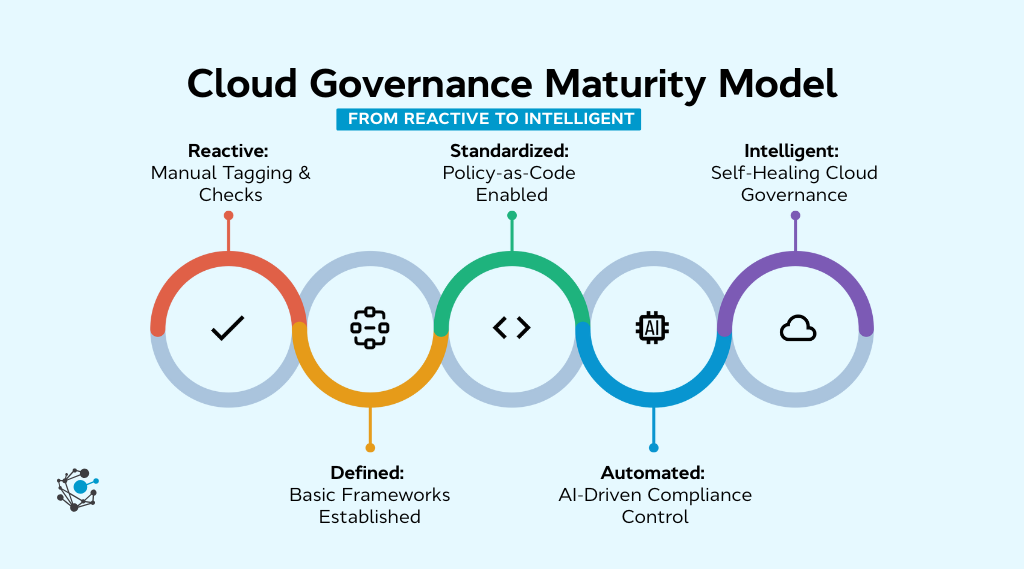
Critical KPI for Enterprise Efficiency Management
Treating IT as an expense instead of a financial investment results in greater long-term costs Not preparing at all increases both monetary danger and functional interruption Development often exceeds internal IT groups and exposes spaces in support IT strategy must be grounded in an assessment of the current environment AI adoption must be planned attentively, not adopted reactively Cybersecurity ought to be treated as a baseline IT duty Effective IT planning should consist of a roadmap tied to a clear timeline and budget For many companies, IT planning has actually traditionally been treated as a budgeting workout.

Latest Posts
Leveraging Performance Metrics to Boost Cloud ROI
Analyzing IT Performance Through Advanced Governance Frameworks
Maximizing IT Performance Through Strategic Planning